

The Child Development Program in Kenya is a holistic initiative aimed at improving the well-being, growth, and potential of children in both urban and communities.
Early Childhood
At the heart of the program is Early Childhood Development, targeting children between the ages of 0 to 5 years. It focuses on foundational brain development, emotional nurturing, and early learning.
Through community-based ECD centers, children receive age-appropriate stimulation, structured play, balanced meals, and regular health checks. Parents are also trained in responsive caregiving and positive parenting practices.
Education Access
The program ensures that school-age children have access to quality education by providing school fees subsidies, uniforms, learning materials, and mentorship. Special emphasis is placed on girl-child education and children with disabilities.
Nutrition & Health
Nutrition is a cornerstone of the program, with consistent feeding schemes established in ECD centers and primary schools. Malnutrition screenings are conducted regularly, followed by treatment and dietary supplementation where necessary.

Caring for seamless blend of creativity and strategy, ensuring every design not only looks beautiful but also delivers impactful
— Liam Carter, Program Director
Child Protection
Recognizing the vulnerabilities that children face, especially in poverty-stricken and marginalized areas, the program implements child protection mechanisms. Trained community workers and social workers monitor for abuse, neglect, and exploitation.
Life Skills & Youth
For adolescents and young adults, the program offers life skills training, vocational education, digital literacy, and entrepreneurship workshops. These efforts aim to equip youth with skills for employment and self-reliance.
Community
Community ownership and parental participation are critical. Regular caregiver forums, parenting classes, and home visits ensure families are fully involved in their children’s development. Caregivers receive training in nutrition, hygiene.
Monitoring
The program utilizes robust monitoring and evaluation systems to track child development outcomes. Data collection tools and digital dashboards are used to assess performance in education, health, nutrition, and protection.
Regional Impact
Operating across several counties in Kenya—including Kisumu, Kakamega, Nairobi, Turkana, and Kilifi—the Child Development Program has reached thousands of children and families.
Sustainability
The program's sustainability is ensured through partnerships with national and county governments, donor agencies, local NGOs, and private sector.
Seniors Aging
Homeless
ABOUT US
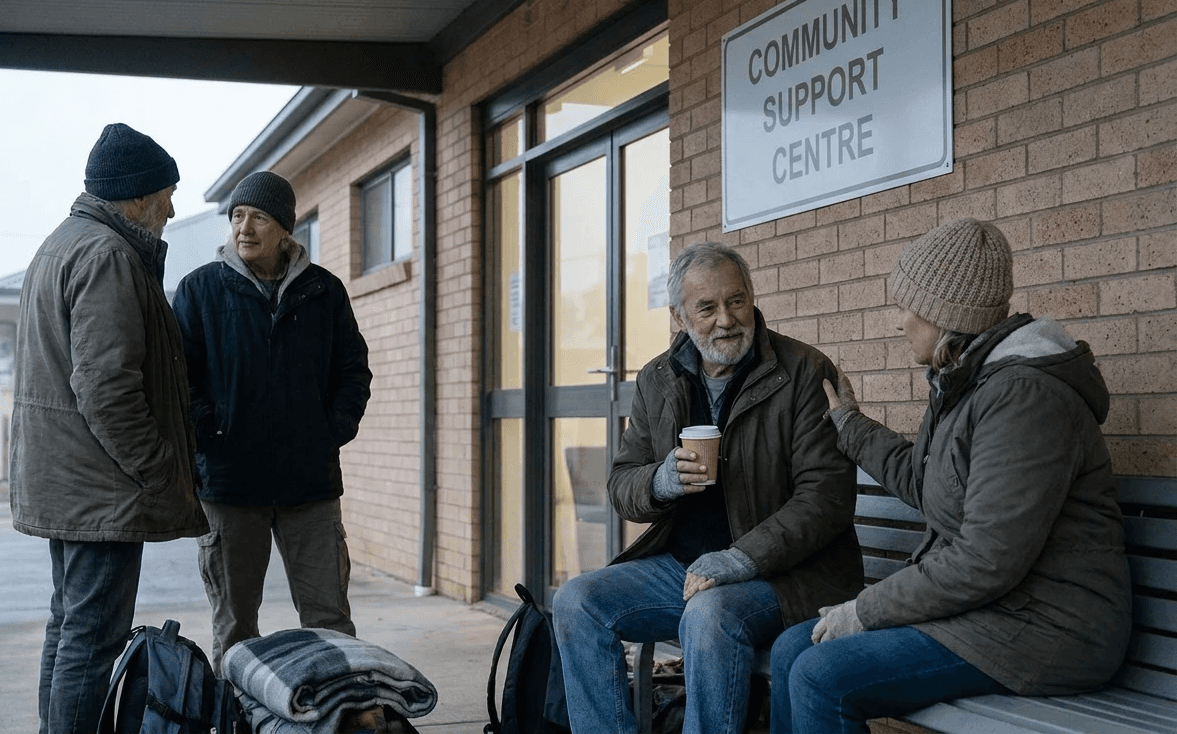
Every senior deserves a safe place to live, without one, daily distress and uncertainty can affect their overall quality of life: happiness, health, independence, and environment
Happiness
Having a place to belong brings comfort and peace of mind. Living without a home can instead leave a senior feeling unwanted, embarrassed, forgotten, or without hope that life will improve.
Health
Outdoor living can expose seniors to heat, cold, dehydration, poor sleep, and infections. Chronic illnesses may also become harder to control without a place to store medicine or recover after treatment.
Independence
A permanent address, working phone, and secure place for personal records help seniors handle their own affairs. Losing these basics can prevent them from receiving mail, proving their identity, accessing income, or completing important forms.
Environment
Seniors may sleep in cars, parks, bus stations, or other public spaces that were never meant for living. Weather, traffic, uneven ground, and no nearby restroom can turn ordinary surroundings into daily hazards.
Living on the Street
Living in a Vehicle
Staying in Motels
Moving Between Homes
Living in Encampments
Aging with an Advocate
Homeless seniors are often judged before anyone hears their story. An Advocate meets them where they are, listens with respect, learns what they want, and begins building a path forward.
Better Care
Pain, wounds, poor vision, breathing problems, and other medical concerns can go untreated on the street. We help find clinics, arrange examinations, and explain the senior’s condition to healthcare providers.
Stronger Protection
A senior without secure housing may face robbery, violence, coercion, or the loss of personal belongings. We help raise the alarm, preserve details about what happened, and seek immediate help if danger is present.
Dependable Support
Homelessness can break ties with relatives and leave seniors with no trusted person to call. We help rebuild healthy connections and place someone within reach during difficult moments.
Essential Services
Food, clean clothing, showers, phone charging, and a secure place for belongings can make daily survival less difficult. We locate nearby resources that meet these immediate needs.
Ongoing Advocacy
The move from homelessness to stable housing rarely happens all at once. We stay in contact through each change, address new barriers as they appear, and continue checking in after a living arrangement is found.
Where We Check
146k (in 2024)
seniors stayed here once
Aging Better — Starts Here
3 Simple Steps


Aging Better — Starts Here
3 Simple Steps
Newsletter SIGN UP
Knowledge can prevent harm for seniors



For Seniors 60+
Contact Us
(954) 391-5676
info@seniorsindistress.org
1580 Sawgrass Corp Pkwy, #130 Sunrise, Florida 33322
Monday - Saturday 9AM - 10PM
© 2026 Seniors In Distress. All rights reserved.
Stay informed about senior mistreatment
Newsletter Sign Up
You agree to our privacy policy and terms of service
Cancel Subscription

Seniors 60+
© 2026 Helios. All Rights Reserved.
Where mistreatment comes to die

Seniors In Distress

© 2026 Seniors In Distress. All rights reserved.