Seniors Aging
At Home
Seniors Aging
ABOUT US
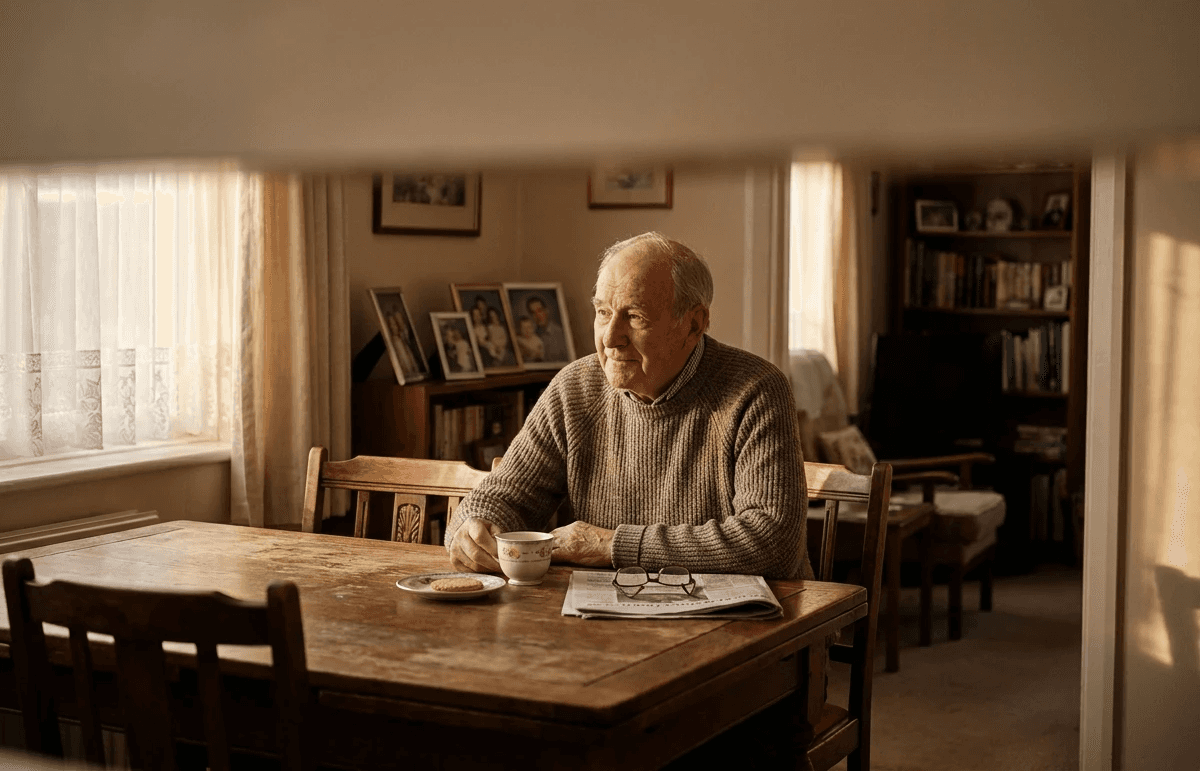
Home should be a place of comfort—not struggle, but when distress enters the home, it can affect a senior’s overall quality of life: happiness, health, independence, and environment
Happiness
Aging at home can bring comfort, privacy, and a strong sense of belonging. However, when visits become less frequent or the senior has no one to talk with, the same home can begin to feel quiet and isolating. Over time, loneliness and constant worry may affect their mood and enjoyment of daily life.
Health
Staying healthy at home often requires keeping up with medications, nutritious meals, medical appointments, personal care, and changing health needs. When these responsibilities become too much to manage, important care may be missed and health concerns can grow before anyone notices.
Independence
Living at home allows seniors to follow familiar routines, make personal choices, and remain in control of their day. Independence can be placed at risk when driving stops, mobility changes, bills become confusing, or ordinary household tasks can no longer be completed without help.
Environment
A home that once worked well may no longer match a senior’s changing needs. Cluttered walkways, poor lighting, broken appliances, spoiled food, or unfinished repairs can create unsafe living conditions. Regular attention helps ensure the home remains clean, functional, and suitable for the senior.
Aging Alone
Aging with Spouse
Aging wth Famliy
Aging with Caregiver
Aging with Pet
Aging with an Advocate
Distress at home is not always easy to see or explain. An Advocate spends time with the senior, listens without rushing, and learns what is making daily life harder. We identify the concerns, explain what needs attention, and help the senior take the next step.
Better Care
Missed medications, delayed appointments, poor personal care, or untreated health concerns can place a senior’s well-being at risk. We check what care is being provided, address what is missing, and work with the people responsible for making it right.
Stronger Protection
Threats, control, neglect, scams, and financial pressure can leave a senior feeling afraid inside their own home. We document the concern, help report mistreatment, and take steps to protect the senior from further harm.
Dependable Support
Distress can grow when a senior feels alone or has no one available during
a difficult time. We bring the right people together, keep communication open, and make sure someone remains involved.
Essential Services
A senior may struggle when meals, groceries, transportation, cleaning, bill payments, or medication refills are unavailable. We help find local services that can meet these everyday needs and prevent the situation from getting worse.
Ongoing Advocacy
Solving one problem does not mean every concern is over. We continue checking on progress, speak up when promises are not kept, and respond when the senior’s situation changes.

Aging Better — Starts Here
3 Simple Steps


Aging Better — Starts Here
3 Simple Steps
Newsletter SIGN UP
Knowledge can prevent harm for seniors



For Seniors 60+
Contact Us
(954) 391-5676
info@seniorsindistress.org
1580 Sawgrass Corp Pkwy, #130 Sunrise, Florida 33322
Monday - Saturday 9AM - 10PM
© 2026 Seniors In Distress. All rights reserved.
Stay informed about senior mistreatment
Newsletter Sign Up
You agree to our privacy policy and terms of service
Cancel Subscription

Seniors 60+
© 2026 Helios. All Rights Reserved.
Where mistreatment comes to die

Seniors In Distress

© 2026 Seniors In Distress. All rights reserved.
